
Rishikesh calls itself the Yoga Capital of the World, and it earns the name. But the town does a lot more than yoga, and most of what’s actually worth your time there has nothing to do with a mat.
1. Watch the Ganga Aarti at Shatrughan Ghat
free · about 5.30pm in winter, 6pm in summer
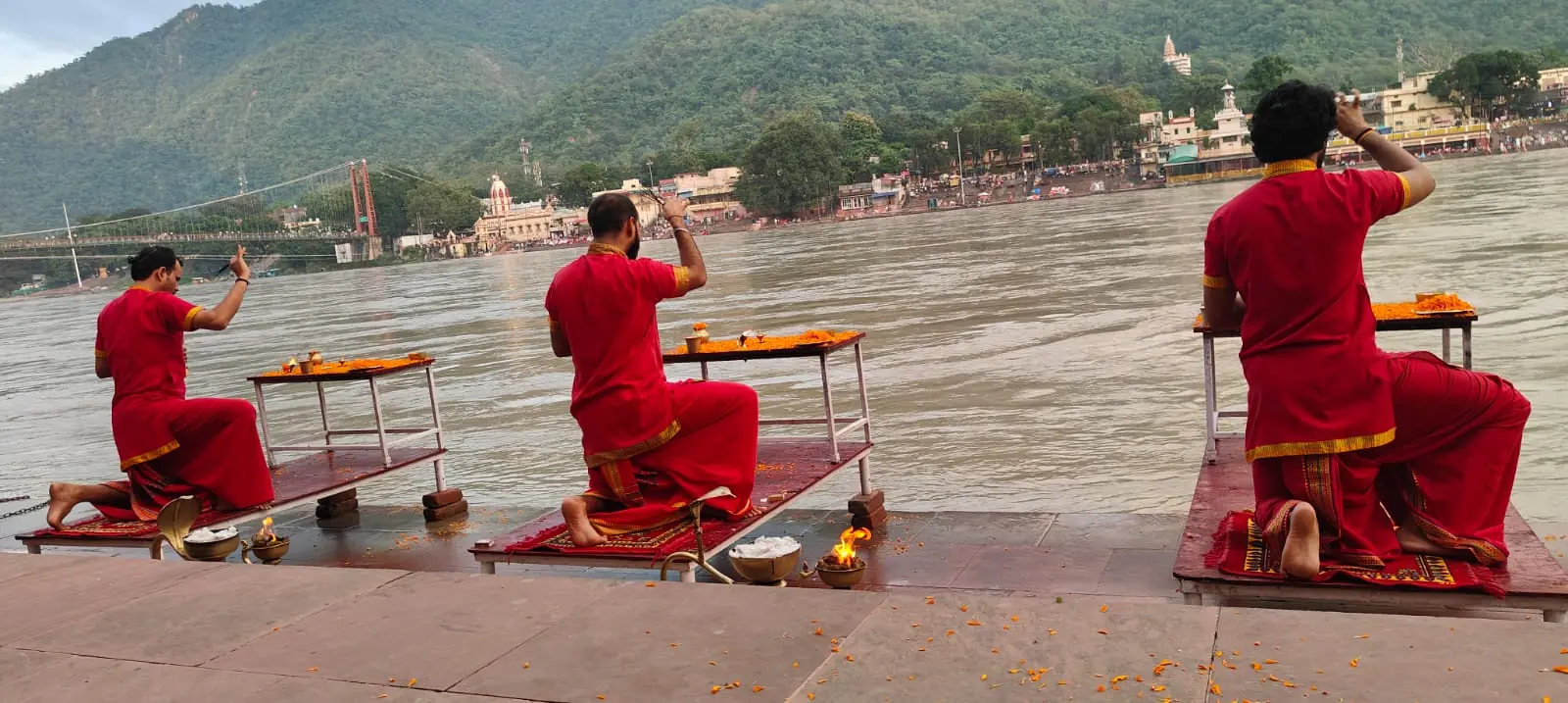
Shatrughan Ghat is on the Muni Ki Reti bank, between Ram Jhula and Janki Setu, with the old Shatrughna temple right behind the steps. It sits upstream of Triveni Ghat and across the water from Parmarth Niketan, so most people walk straight past it on their way to the big aarti.
The ghat takes its name from Shatrughna, the youngest of Ram’s brothers, who is said to have done his penance at Muni Ki Reti. The temple behind it is one of the old ones in Rishikesh, credited to Adi Shankaracharya, and it stays open from six in the morning till half past eight at night.
Shri Ganga Gau Seva Samiti runs the aarti. Five priests perform it. It opens with the Shiv Tandav Stotram, so the chanting starts well before the lamps do, and that first stretch is what most visitors miss by turning up late. Then the brass lamps come up, and the diyas go on to the water one at a time. For a few minutes the whole ghat stops talking.
The crowd is mostly local. People from Muni Ki Reti who come most evenings, and whatever travellers happened to find it. Thirty or forty on the steps rather than several hundred, and room to sit down, which is not the case at Triveni on a Saturday.
Timing moves with the sunset, give or take twenty minutes across the year. Check current Ganga Aarti timings before going. Fifteen minutes early is about right.
2. Sit with a coffee at a Ganga-view café
riverside · Laxman Jhula or Tapovan side
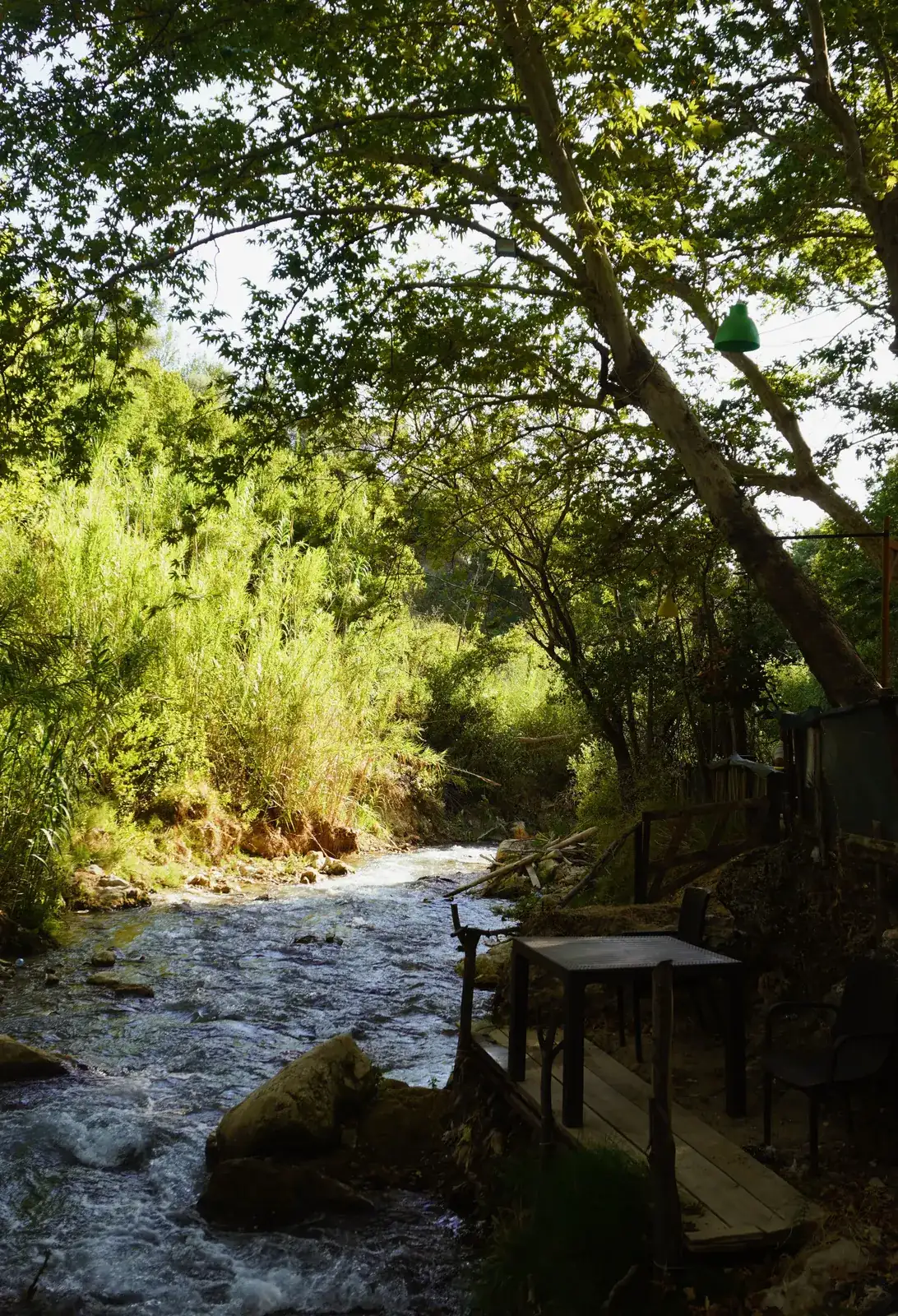
Walk along the Laxman Jhula or Tapovan side of the river in the late afternoon and you’ll find a run of small cafes built right over the water, wood decks hanging above the Ganga, doing everything from wood-fired pizza to a simple thali. Pick one with an actual view of the river rather than a painted mural of one, order slow, and let an hour go by. A few of them face the ghats directly, so if you time it right you get the aarti as a view rather than a walk.
3. Learn to cook with Rishikesh Cooking
from $30 / person · 2 hours · Muni Ki Reti
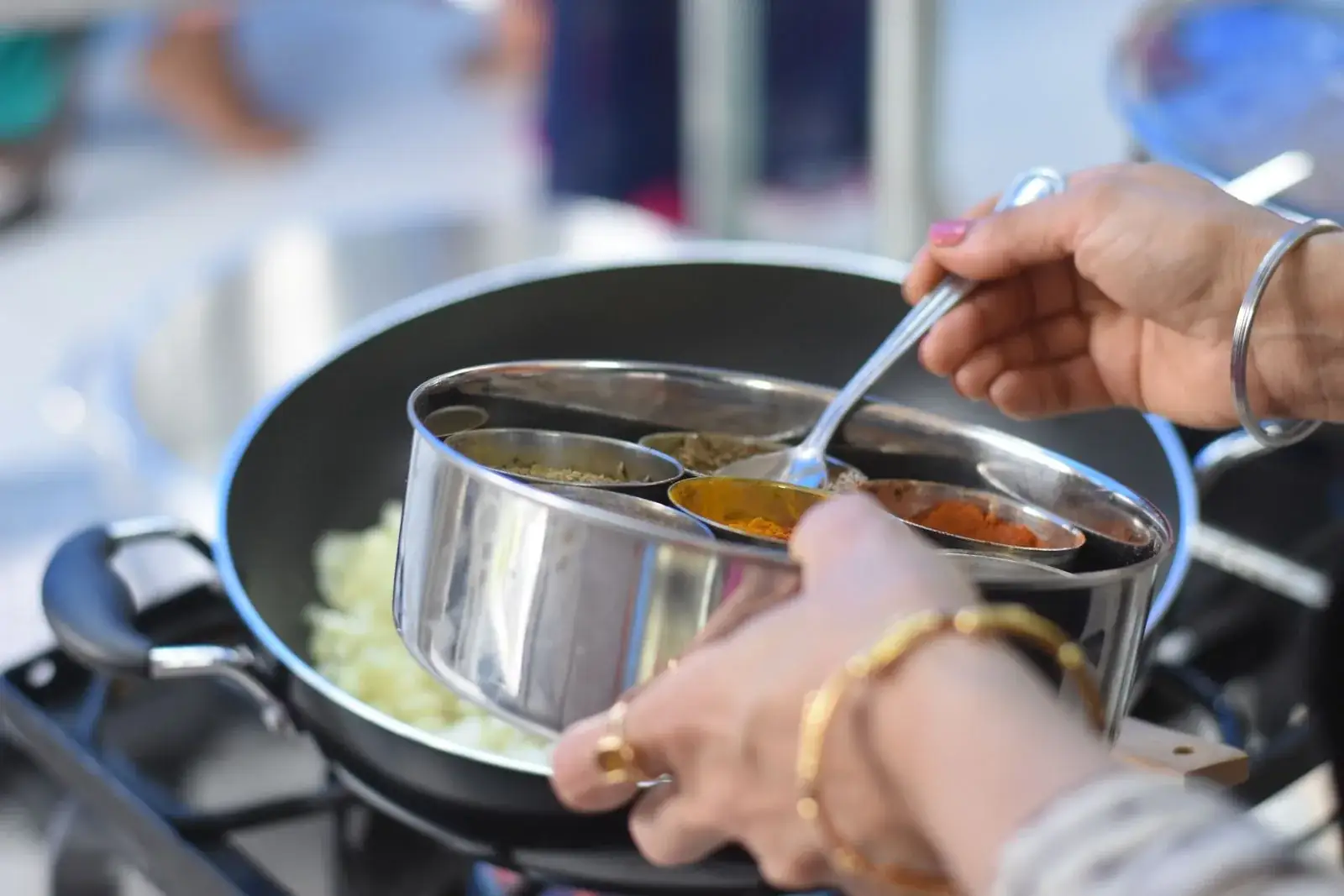
Nandini Saraswat runs hands-on cooking classes out of her family kitchen in Muni Ki Reti, a few minutes from Laxman Jhula and a ten-minute walk from Ram Jhula. You pick a region, North Indian, South Indian, East Indian, West Indian or Ayurvedic, and spend two hours actually cooking rather than watching someone else cook. Classes run six people at most, you eat what you make, and you go home with the recipes written down.
It’s by appointment only, so message ahead on WhatsApp or Instagram (@rishikeshcooking) rather than turning up, or check rishikeshcooking.com for the full menu of classes.
4. Go white water rafting with Ravers Expedition
₹599 to ₹2,499 · Grade I to IV · late September to June
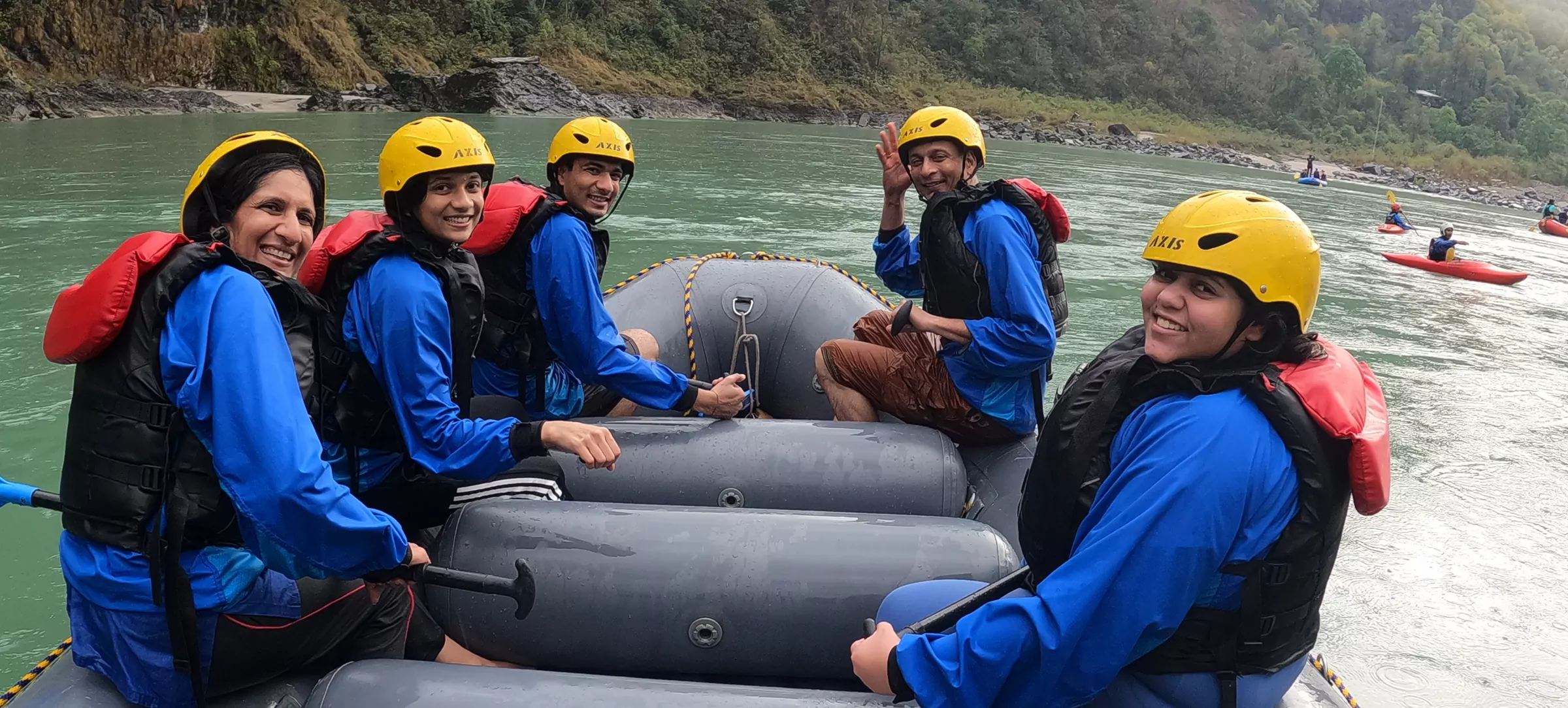
Rafting on the Ganga is the one thing on this list everyone’s already heard of, and it earns the reputation. Ravers Expedition runs four stretches out of Rishikesh. Brahmpuri is the short, easy one at 9 km, good for families and first-timers. Shivpuri, 16 km, is the one most people book, a proper mix of rapids without needing experience. Marine Drive stretches to 24 km and steps up to Grade III, for people who’ve rafted before. Kaudiyala goes the full 36 km and includes a rapid called The Wall, one of the bigger rapids anywhere in the country, and that one is not for a first trip.
The river shuts for monsoon, roughly July and August, and reopens by late September. Outside that window it runs daily.
Pahadi House runs its own rafting and camping combo on this same stretch of river. See the packages, or Ask us on WhatsApp
5. Trek to Patna Waterfall
half-day · 7 km round trip · Neelkanth Road
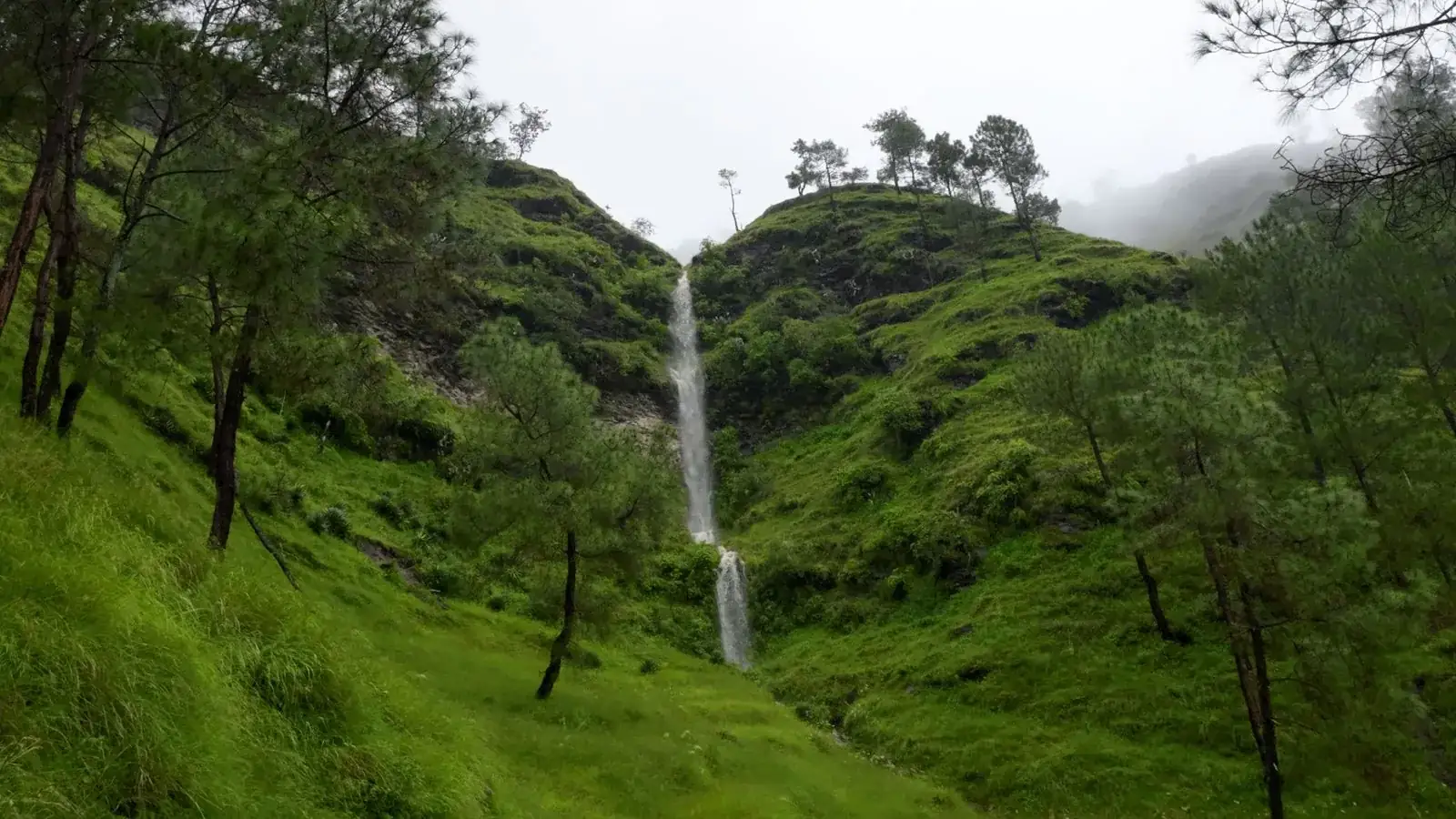
Patna Waterfall sits about six kilometres out of Rishikesh on Neelkanth Road, near Patna village, and the walk in is short, about a kilometre and a half through forest, no technical climbing, nothing that needs gear. The full round trip comes to around seven kilometres and most people are back within half a day.
Go October through November if you want the clearest water and the most stable trail. March through June is good too, if a little warmer. Skip it in heavy monsoon rain. The flow is at its strongest in July and August, but the trail turns slick and prone to washouts, and it’s not worth the risk for a waterfall you can see two months later in better shape.
6. Stay at Himalayan Ganga Retreat
₹6,000 to ₹12,000 / night · AC cottages · on the river
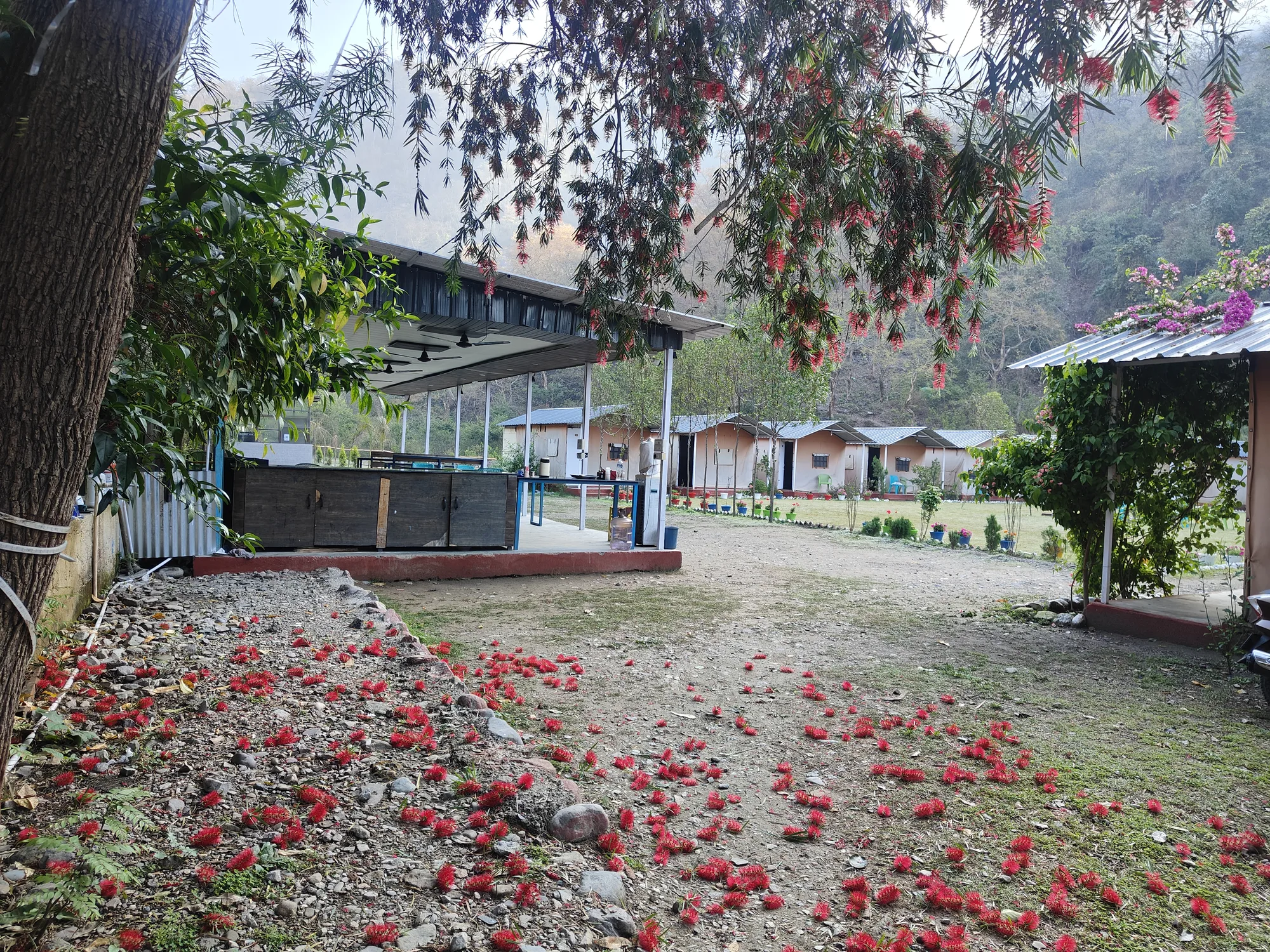
If you’re picking one place to actually stay near Rishikesh rather than just visiting for the day, this is ours, and I’ll say plainly why. Himalayan Ganga Retreat sits right on the Ganga, past Laxman Jhula on Neelkanth Road, proper AC cottages rather than the thin canvas tents you’ll find further downriver calling themselves camps. Deluxe AC cottages run ₹6,000 a night for a couple, and the Maharaja cottages, ₹12,000, sleep up to six.
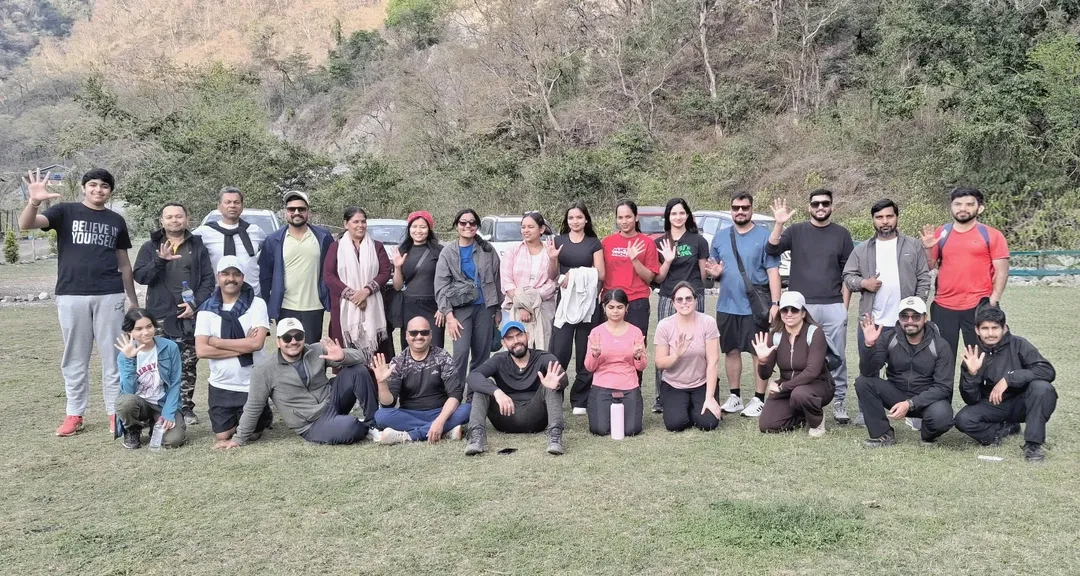
Riverside bonfires most evenings, meals cooked fresh, and if you want rafting in the same trip there’s a Couple Combo, one night plus a 16 km rafting run, for ₹6,999 all in.
Himalayan Ganga RetreatWhatsApp us your dates and how many of you there are, and we’ll send a secure payment link. You can also read more on the Himalayan Ganga Retreat page.
7. Camp overnight at George Everest, a little further out
₹2,000 / person · near Mussoorie · about 2 hours from Rishikesh
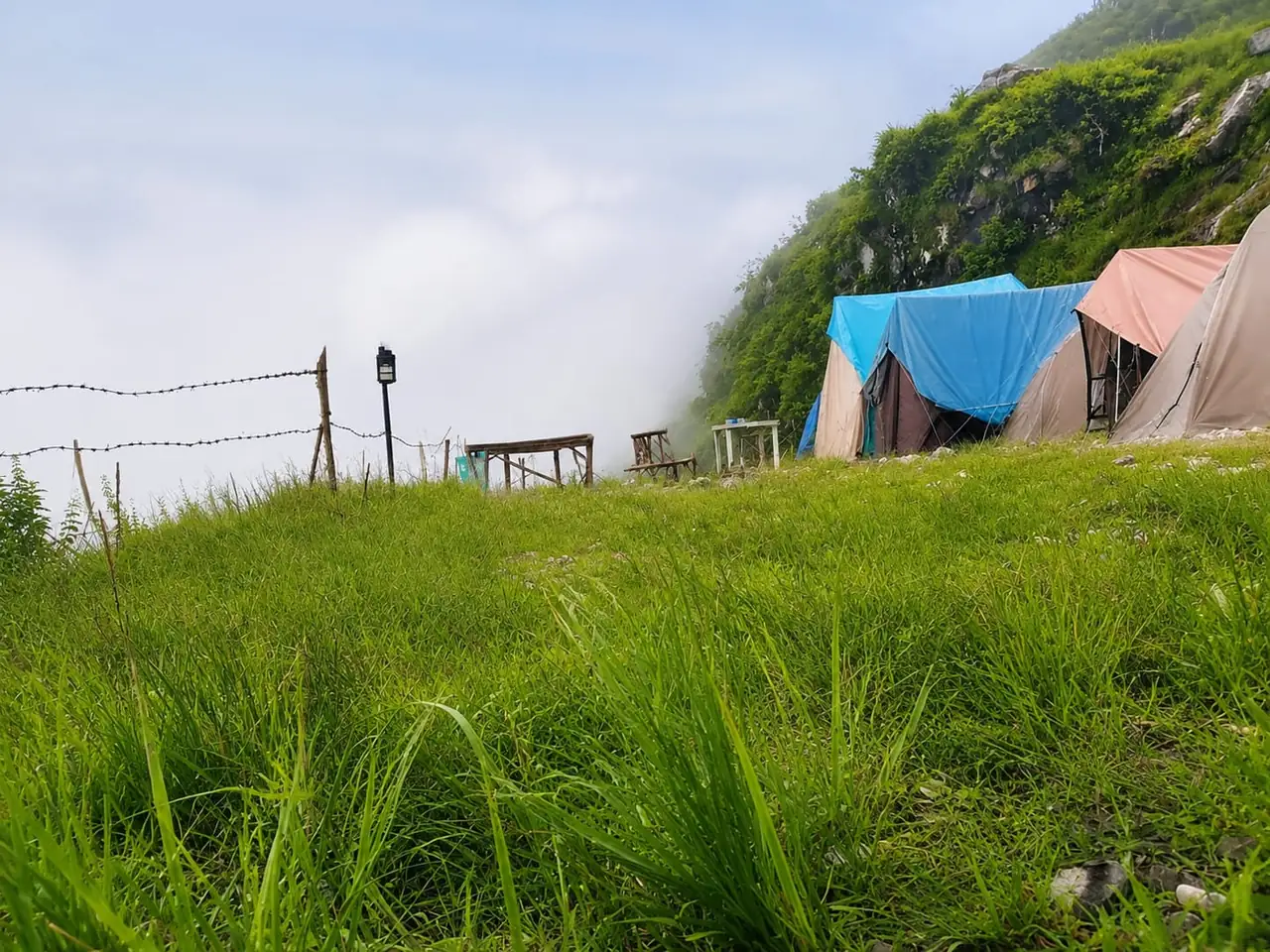
If you have an extra day and don’t mind the drive, Camp George Everest above Mussoorie is worth it. We run this one on the peak itself, ₹2,000 a person for a guided walk in, dinner, a bonfire and a 5am walk up for sunrise over the Doon Valley. I’ve written the longer version of this camp and the six others at George Everest, worth reading if camping is actually what you’re after rather than a day trip out of Rishikesh: Best Camping at George Everest, Mussoorie.
When to go
October to March is the easiest window. The air is clear, the river’s open for rafting from late September, and the days are warm enough without the heat of summer. April to June gets hot in the valley itself, though it’s still fine for rafting and the ghats. July and August is monsoon. Rafting shuts, Patna Waterfall gets risky, and the town empties out a bit, which some people actually prefer if they’re here for the aarti and the cafes rather than the river.
Getting there
Rishikesh is about six hours from Delhi by road, or you can fly into Jolly Grant airport in Dehradun, forty minutes out. Most of what’s on this list, Shatrughan Ghat, the cafes, the cooking class, sits within walking distance of Laxman Jhula and Ram Jhula. Patna Waterfall and Himalayan Ganga Retreat are a short drive further out on Neelkanth Road, and George Everest is a separate trip near Mussoorie, about two hours away.
A few questions people ask
Is Shatrughan Ghat a good place to see the aarti?
Yes, for anyone who wants the ceremony without the crush. It is smaller and quieter than Triveni Ghat or Parmarth Niketan, run by five priests of the Shri Ganga Gau Seva Samiti, and it opens with the Shiv Tandav Stotram before the lamps come up. The full evening ceremony is there, just with thirty or forty people on the steps instead of several hundred.
Is rafting in Rishikesh open all year?
No. The river shuts for monsoon, roughly the start of July to late September, when the water runs too high and fast to raft safely. Outside that window, from late September through June, it runs daily, and October to June is the more comfortable stretch.
How far is Patna Waterfall from Rishikesh?
About six kilometres by road to the trailhead near Patna village on Neelkanth Road, then a walk of around a kilometre and a half through forest to reach the waterfall. The full round trip, drive plus walk, takes most people three to four hours including time at the falls.
Do I need to book the cooking class in advance?
Yes. Rishikesh Cooking runs by appointment only, in a home kitchen with a maximum of six people per class, so message ahead on WhatsApp or Instagram rather than showing up on the day.
Can I do all seven in one trip?
Not comfortably in a weekend. The Rishikesh-town items, aarti, cafe, cooking class, rafting, fit into two or three days. Add a day for Patna Waterfall, and a separate overnight if you want George Everest as well. Most guests spread it across four or five days rather than rush it.
The best evening I’ve had in Rishikesh this year wasn’t at the big aarti at all. It was at Shatrughan Ghat on a quiet Tuesday, maybe thirty of us on the steps, the diyas going out one by one on the water, and nobody in front of me trying to get the shot on their phone. That’s the one to go back for.
 Mountain Stays