
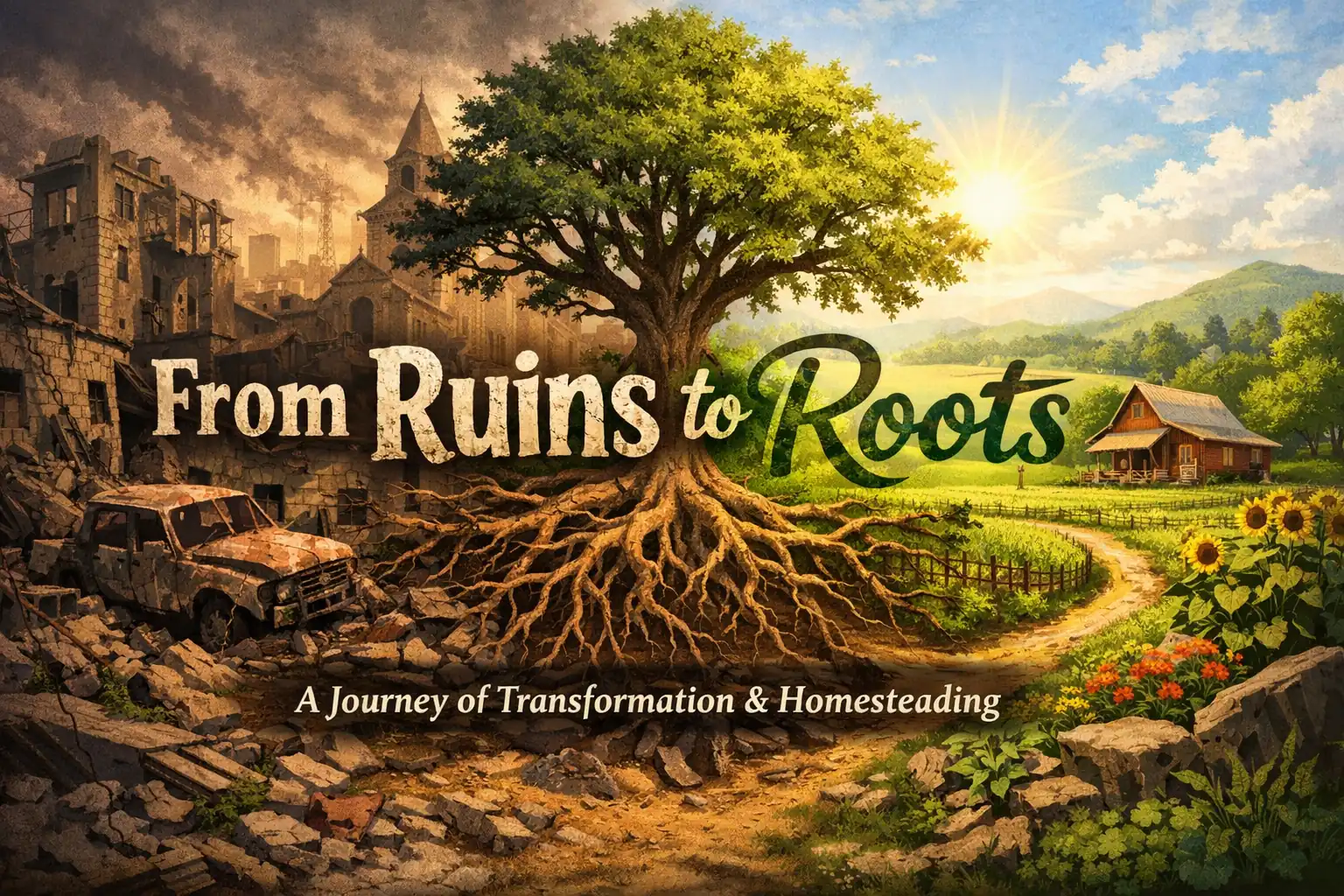
How two pahadis restored what the mountains were forgetting.
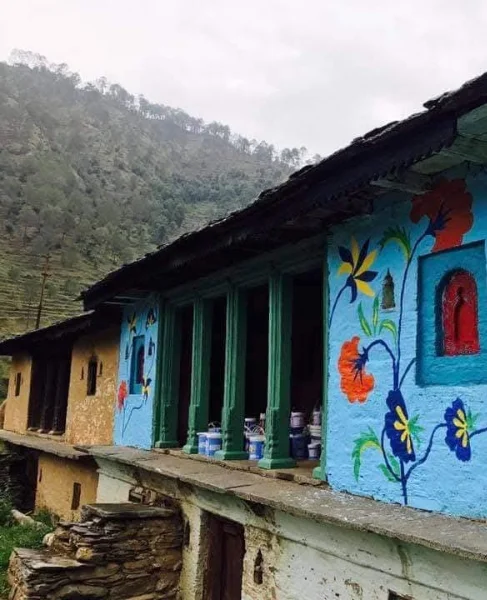
In Chopdiyal village (a quiet cluster of terraced fields and stone walls, 7 kilometres from Chamba on the Mussoorie-Dhanaulti fruit belt road) there once stood a house that no one wanted anymore. Its walls were made of stone and mud, the way homes have been built in these hills for centuries. Its owner, Himmat Singh Pundir, had long since left for the plains. The roof had caved. The courtyard had gone wild with weeds. By 2014, it was ruins.
This is where Pahadi House began.
The disaster that changed everything
Abhay Sharma is from Neelkanth in Pauri. Yash Bhandari is from Ghansali in Tehri. The two had been running a river rafting business together in Rishikesh for over a decade, a 20-cottage resort at Ghattugad on the Ganges. In June 2013, the Uttarakhand floods washed it all away. Every cottage. Every season’s worth of bookings. Everything they’d built.
Most people would have moved to Delhi, found a corporate job, let the mountains become a memory. Abhay and Yash didn’t.
“Rather than again pursuing the same business plan, we decided to do something that could revive our culture and heritage.”
Abhay Sharma, Founder, Pahadi House
In May 2014, they leased Himmat Singh’s ruined house and two others in Chopdiyal village. They didn’t tear them down. They restored them slowly, stone by stone, mud wall by mud wall, keeping the traditional architecture and adding just enough comfort for travelers who wanted something real. They called it Pahadi House. Stay in a village. Live like a pahadi.
What happened next
Within the first two years, over 3,000 travelers stayed at Pahadi House. More than 400 of them were international guests, from Germany, France, Japan, Canada, and the United States. The concept was recognized by Yatra.com with a “Best Host” Award in the Homestay category. The initiative also received appreciation from the U.K. government for its community impact.
National media took notice. Zee News featured the story under the headline “Restored from ruins, ‘pahadi’ houses in Uttarakhand now attract tourists from around the world.” Himalayan Buzz profiled the venture in depth. Travel See Write wrote: “Abhay took inspiration a step ahead by doing something which most people won’t even dream.”
But the numbers and awards weren’t the point.
The real story
Over 700 villages in Uttarakhand have been officially recorded as empty in the last decade. At least 10 lakh people have left the mountains in the last ten years, from Pauri, Tehri, Rudraprayag, Pithoragarh, and Almora. The stone-and-mud houses they left behind are crumbling. The traditions stored in those walls (the recipes, the songs, the way a window frame catches the morning light) are disappearing with them.
Pahadi House was built to change that equation. Every house we restore provides a livelihood to the family that owns it: roughly one lakh rupees a year in lease income. Every meal we serve is cooked from locally sourced ingredients. Every member of our team is from the village or its surroundings.
- Two restored heritage properties across Uttarakhand: George Everest and Rishikesh
- Over 3,000 travelers hosted in the first two years alone
- 400+ international guests from 20+ countries
- Yatra.com “Best Host” Award in the Homestay category
- Inspired a regional shift toward village homestays
“The whole idea behind Pahadi House is to prevent people from leaving the village, as well as promote tourism in the area.”
Abhay Sharma
Today, other families in the region have begun following the same model, renovating their ancestral homes and opening their own homestays. Pahadi House started the Pahadi Development Foundation to help these new homestays with marketing and resources. What began as two friends restoring one ruined house has become a quiet movement, one stone wall at a time.
Pahadi House has two locations across Uttarakhand: George Everest in Mussoorie and Himalayan Ganga Retreat in Rishikesh. Each one is rooted in the same belief: the mountains have everything you need.
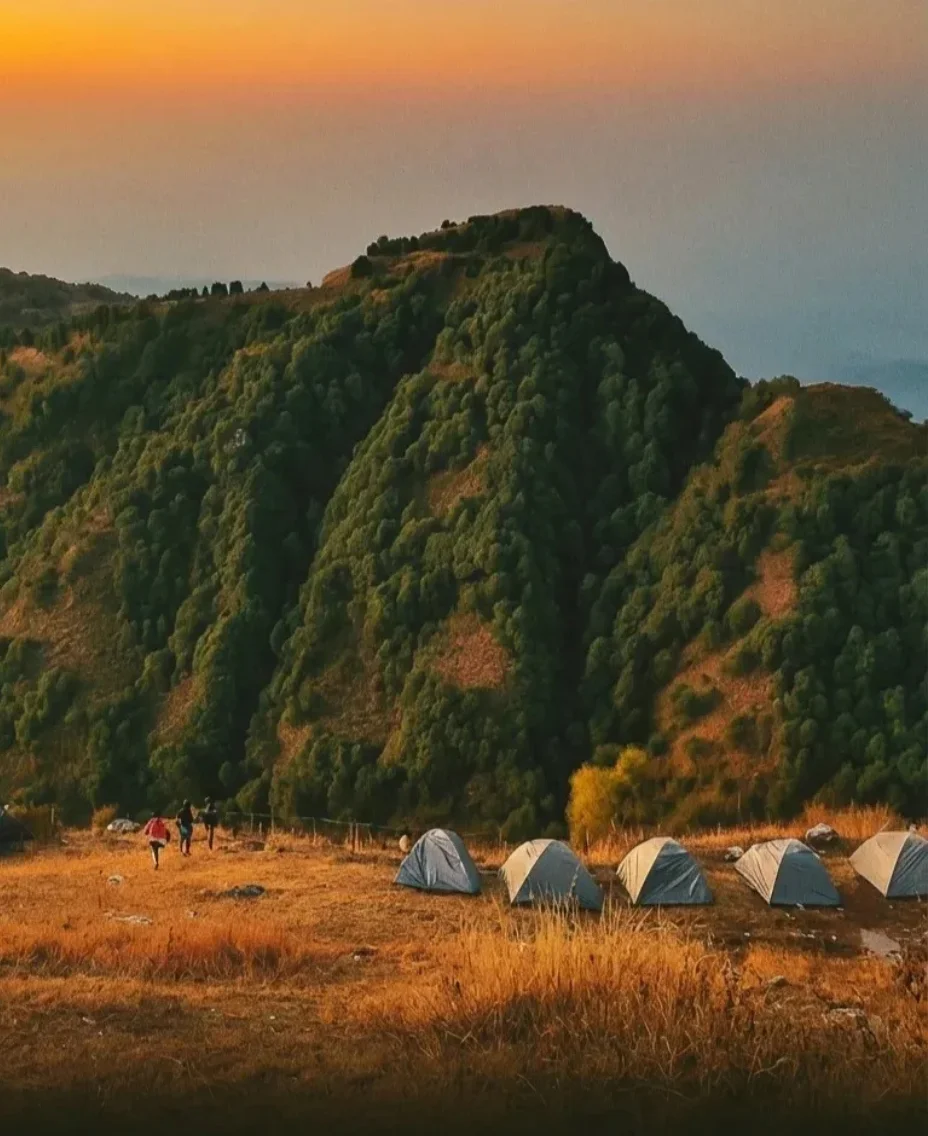
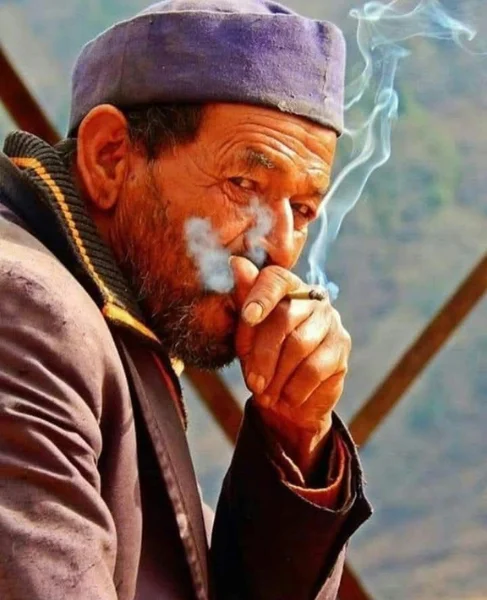
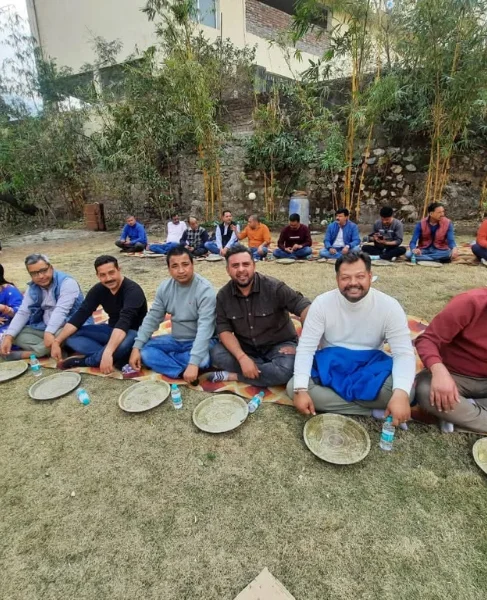
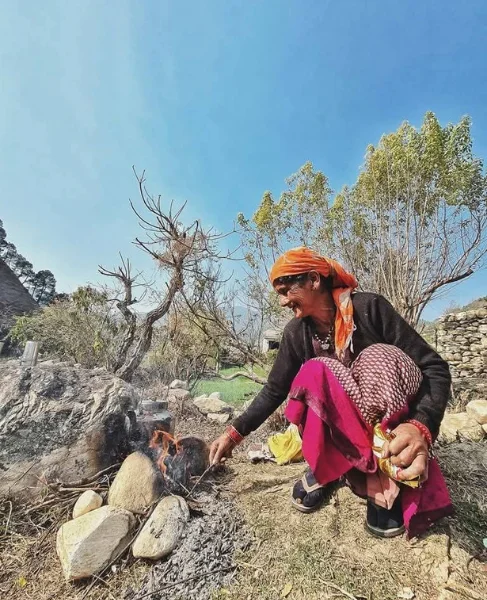
Glimpses of the pahadi way of life
 Mountain Stays