
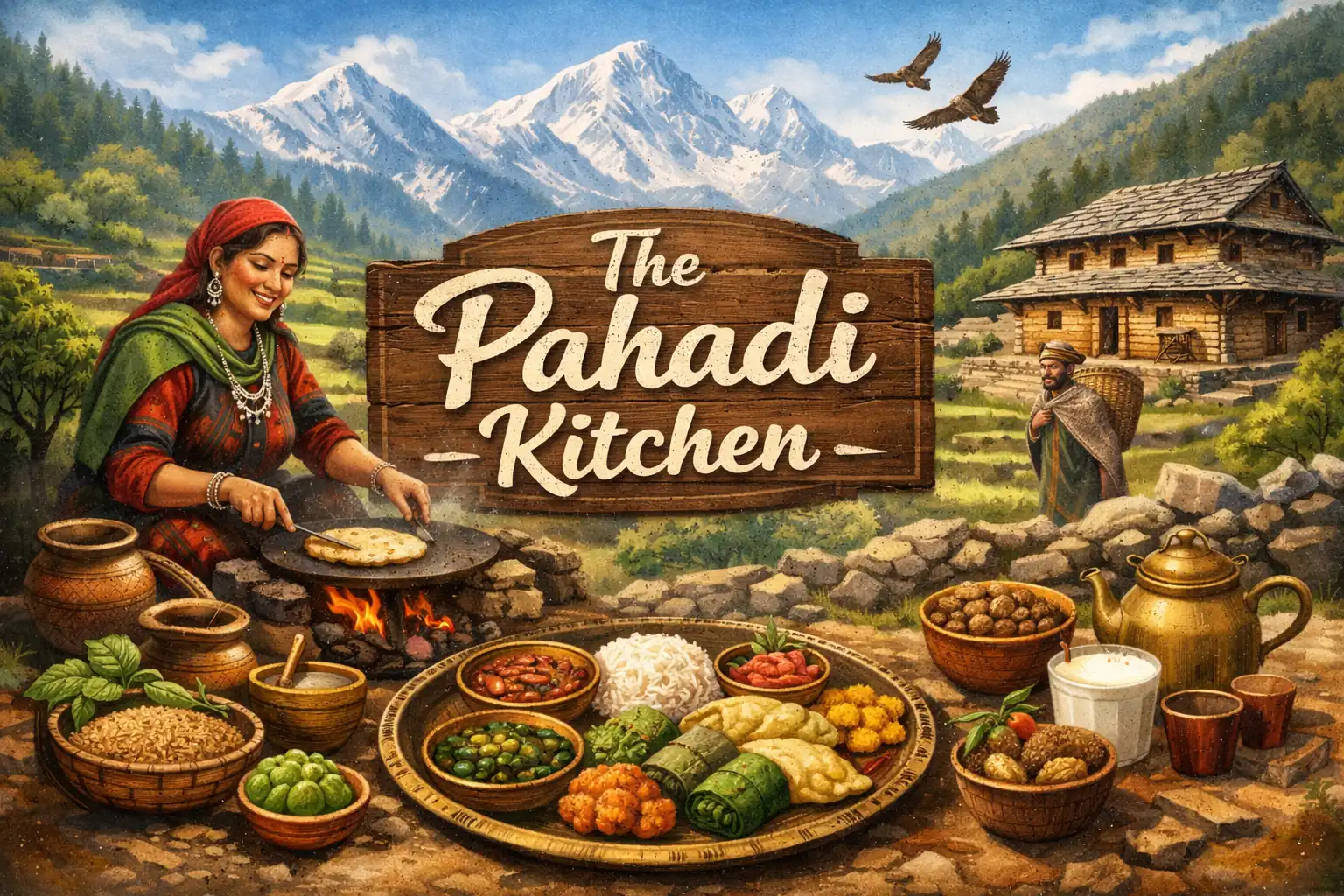
The best meals in Uttarakhand aren’t listed on any app. They’re cooked over a wood fire, in a kitchen that smells of smoke and home.
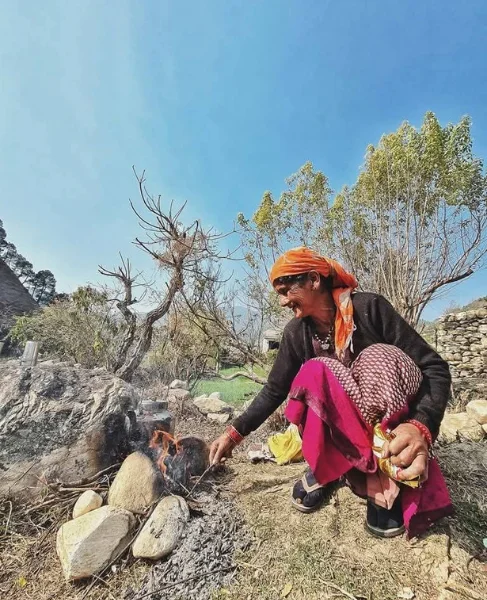
There’s a moment in every Pahadi House kitchen, usually around 6 in the evening, when the light outside turns amber and the first chill of the mountain night slips through the window. That’s when the wood fire is lit. It’s not a performance. There’s no “live cooking station” sign. No chef in a tall hat. Just a kitchen, a fire, and food being made the way it has been made in these mountains for as long as anyone remembers.
This is where pahadi cuisine lives. Not in restaurants. Not in recipe books. In the quiet rhythm of hands that have been cooking since childhood, using ingredients that grew in the soil outside the door.
What is pahadi food?
Pahadi food is the cuisine of Uttarakhand’s mountain communities, Garhwali and Kumaoni, shaped by altitude, climate, and the limited (yet abundant) produce of the Himalayas. It’s not spicy. It’s not rich. It’s deeply nourishing, the kind of food designed to sustain people who walk steep mountain paths daily, who farm terraced fields by hand, who live at 5,000 to 8,000 feet.
The key ingredients are deceptively simple:
- Mandua (finger millet) and jhangora (barnyard millet): ancient grains, gluten-free, high in calcium and iron
- Til (sesame): ground into chutneys, pressed for oil, used in sweets
- Bhatt (black soybean): the protein backbone of the pahadi diet
- Jakhiya: a wild spice unique to Uttarakhand, used for tempering instead of cumin
- Fresh dairy: from cows and buffaloes that graze on alpine meadows
- Seasonal greens: nettle (bicchu ghas), fiddlehead ferns (lingda), amaranth, and dozens of wild herbs that city markets have never seen
“The unadulterated pahadi culture served through mouth-watering food delicacies, local handcrafts, and handpicked adventure activities.”
Travel See Write
The dishes you’ll find at our table
At Pahadi House, we don’t serve a fixed menu. We cook what’s seasonal, what’s local, and what feels right for the day. But there are staples that show up often. Dishes our guests fall in love with and ask about long after they’ve left.
Dal Ki Pakodi. Lentil dumplings, gently spiced, simmered in a light yogurt-based curry. This is Garhwali comfort food at its purest. It’s what grandmothers make when you come home after a long time.
Kafli. A simple, silky spinach preparation. No cream, no butter, just greens cooked slowly with minimal spice until they become something deeply satisfying. The mountain version of what restaurants elsewhere complicate with paneer and cashew paste.
Til Ki Chutney. Roasted sesame seeds ground on a stone sil-batta with green chillies, salt, and a little water. This is the condiment of the mountains: nutty, sharp, and impossibly addictive. Once you’ve had this with a hot roti, the bottled chutneys of the world feel pointless.
Mandua Ki Roti. Flatbread made from finger millet flour, cooked directly on the fire. Earthy, slightly sweet, and pairs perfectly with ghee and any dal.
Kheer. Rice pudding made with fresh milk, slow-cooked over the wood fire until it thickens into something between a dessert and a warm embrace. The wood smoke gives it a depth that a gas stove never could.
Chai. We should talk about the chai. It’s brewed with fresh milk, a little ginger, sometimes tulsi or elaichi, and it arrives in steel glasses that burn your fingers slightly. You drink it while looking at the Himalayas. No amount of writing will capture what that combination feels like.
Why wood fire matters
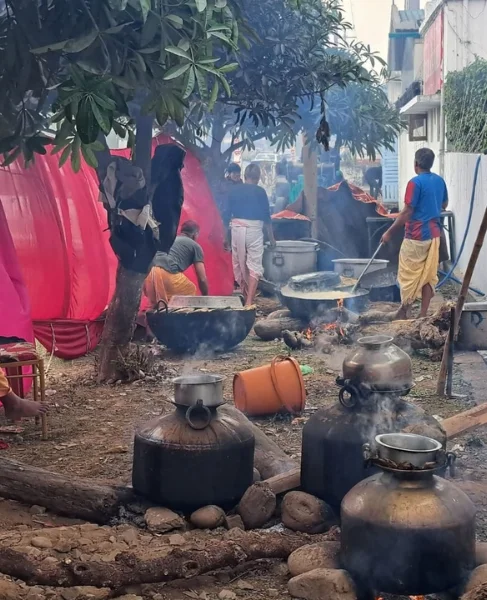
A gas stove is efficient. A wood fire is intentional. When food is cooked over chulha, the traditional wood-fired stove, the smoke infuses every layer. The heat is uneven, which means the cook has to pay attention, rotate, adjust, respond. It’s a conversation between the person and the fire.
This isn’t a romantic notion. The flavour difference is real. Ask anyone who has tasted the same dal cooked on gas versus wood. The wood-fire version has a roundness and a smokiness that the other one simply lacks. At Pahadi House, our kitchens still use the chulha, not as a novelty, but because this is how the food is meant to be made.
Cooking with us
Many of our guests don’t just want to eat pahadi food. They want to learn it. We offer an informal cooking experience where you join our kitchen team for an afternoon. There’s no classroom. No recipe card. You stand in the kitchen, and you learn by doing: grinding the til on the stone, kneading the mandua dough (it’s trickier than wheat, it doesn’t hold together the same way), and watching the fire to know when the roti is done. You’ll leave with recipes in your memory and smoke in your clothes.
A note on food and place
There’s a reason pahadi food tastes different in the mountains than it does in a Delhi restaurant that claims to serve it. Food is inseparable from its place. The altitude, the water, the soil, the freshness of the ingredients, the coolness of the air, the wood in the fire. These aren’t background details. They’re ingredients.
A plate of kafli at 8,000 feet, after a morning walk through the forest, with the Himalayas in every window, that is a completely different experience from the same dish served in an air-conditioned room. This is what we mean when we say “A Himalayan Way of Living.” It’s about what you eat, who cooked it, where it grew, and how the mountains shaped every part of it.
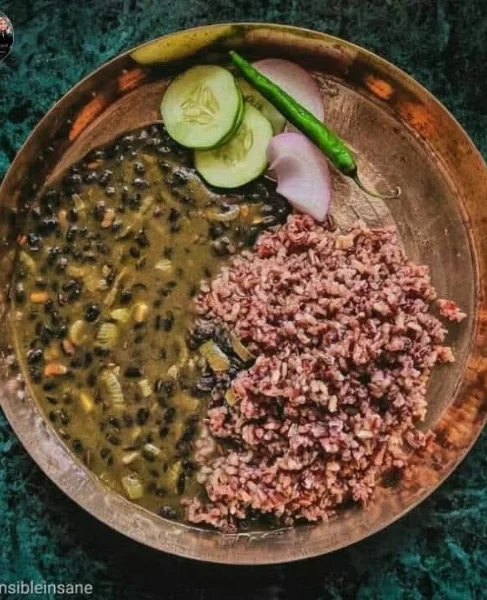
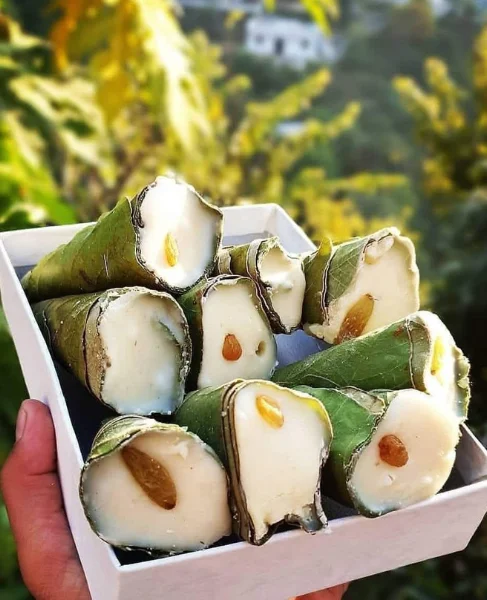
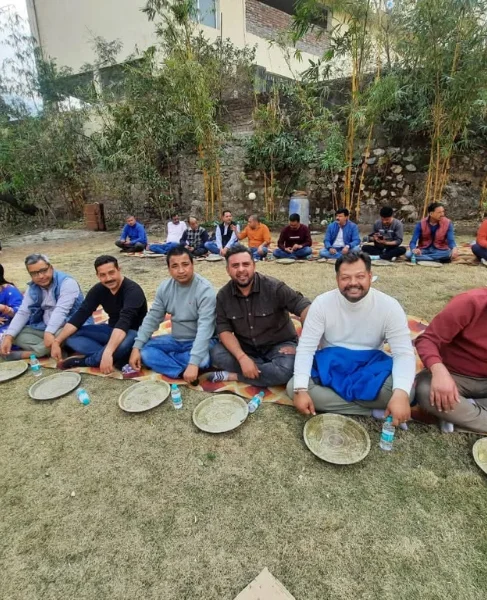
A taste of the pahadi kitchen
 Mountain Stays