
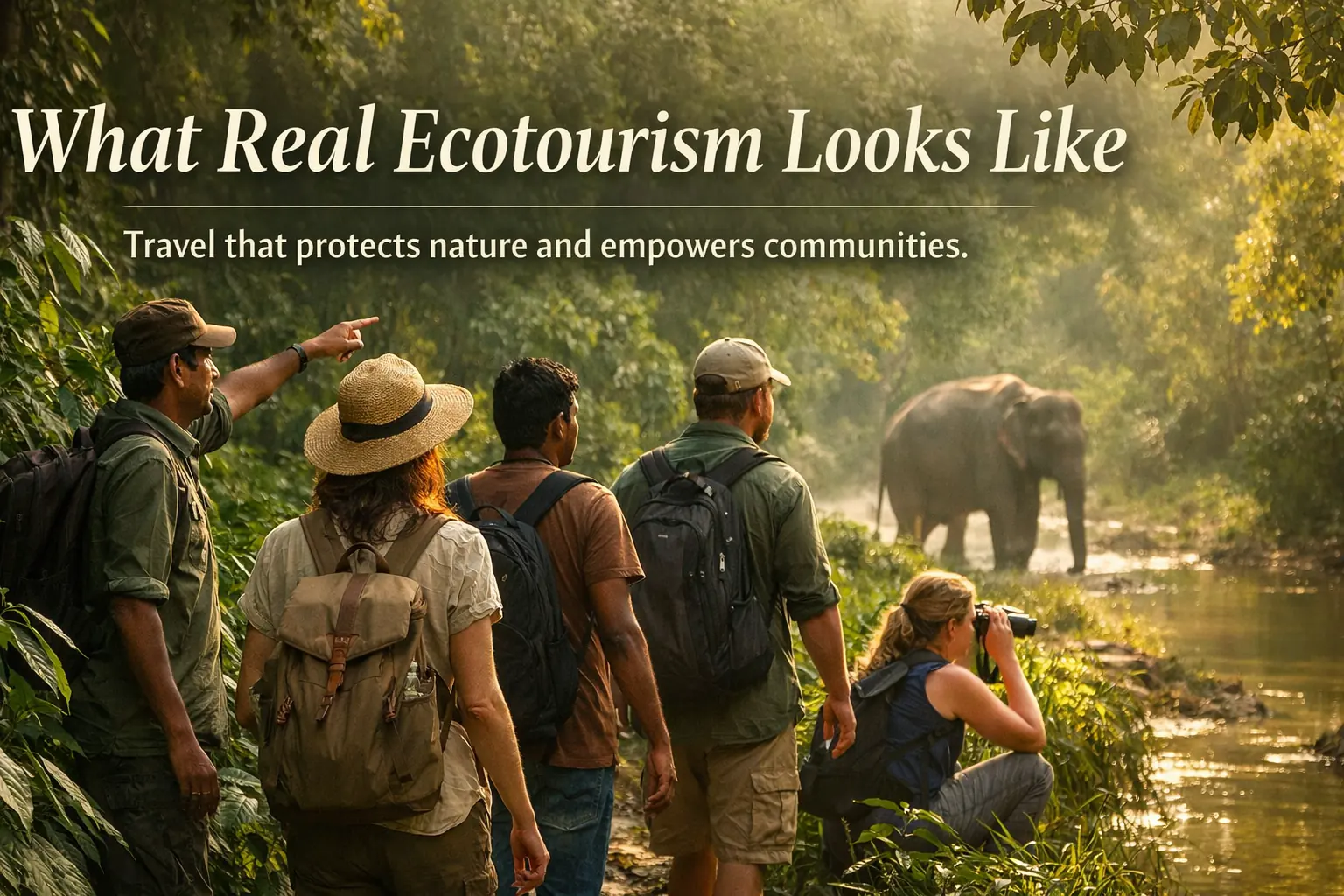
It’s not about bamboo straws. It’s about who benefits when you travel.
Ecotourism might be the most overused word in the travel industry. Slap a “green” label on a resort. Add a recycling bin next to the pool. Plant one tree for every booking. Call it ecotourism. The International Ecotourism Society defines it precisely: “Responsible travel to natural areas that conserves the environment and improves the welfare of local people.”
Two conditions: conserve the environment, improve local welfare. If a business is slacking on either, it’s greenwashing, not ecotourism. Here’s what we’ve learned from over a decade of trying to do it honestly in the Uttarakhand Himalayas.
1. The building is the first statement
Most eco-resorts are built new. Concrete foundations poured into mountainsides. Steel frames trucked up winding roads. Trees cleared for “valley-view” rooms. We took the opposite approach.
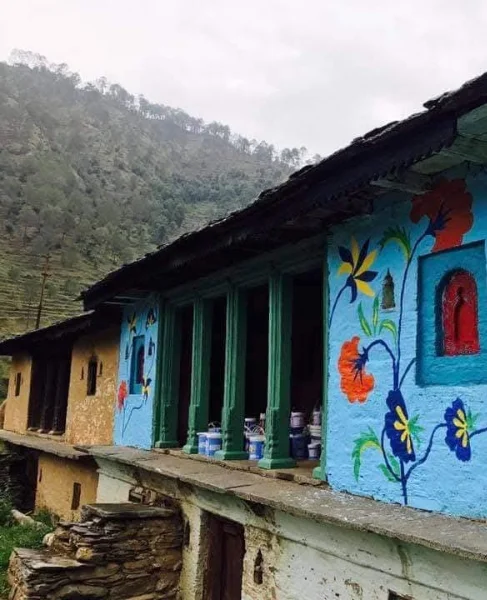
Pahadi House restores old, abandoned mountain homes: traditional structures built from local stone and mud, using construction techniques perfected over centuries by pahadi craftsmen. No concrete. No steel. No imported materials. The walls breathe. The rooms stay cool in summer and warm in winter, naturally. When we renovate, we use local masons who understand these materials. The craft stays alive. The carbon footprint stays close to zero.
“The duo restores old, abandoned or damaged houses and converts them into comfortable homestays, which provides the real taste of ecotourism to its guests.”
Travel See Write
2. Every rupee should stay in the village
This is where most “eco” properties fail. They employ a few locals as housekeeping staff, import everything else (the chef, the manager, the linens, the menu) and call it community involvement. At Pahadi House, the economics work differently:
- Homes are leased from village families. The owner earns roughly ₹1 lakh per year in rent, income that didn’t exist before.
- All food is sourced locally. Vegetables, fruits, and dairy from neighbouring farms and orchards in the surrounding hills.
- Our kitchen serves only pahadi cuisine. Dal ki pakodi, kafli, til chutney, kheer, chai over a wood fire. No continental breakfast menu.
- Every staff member is from the surrounding villages. Guides, cooks, caretakers, all local.
When a guest pays for a night at Pahadi House, the money circulates within a five-kilometre radius. That’s not a marketing claim. That’s how we’re structured.
3. The guest should leave changed, not just rested
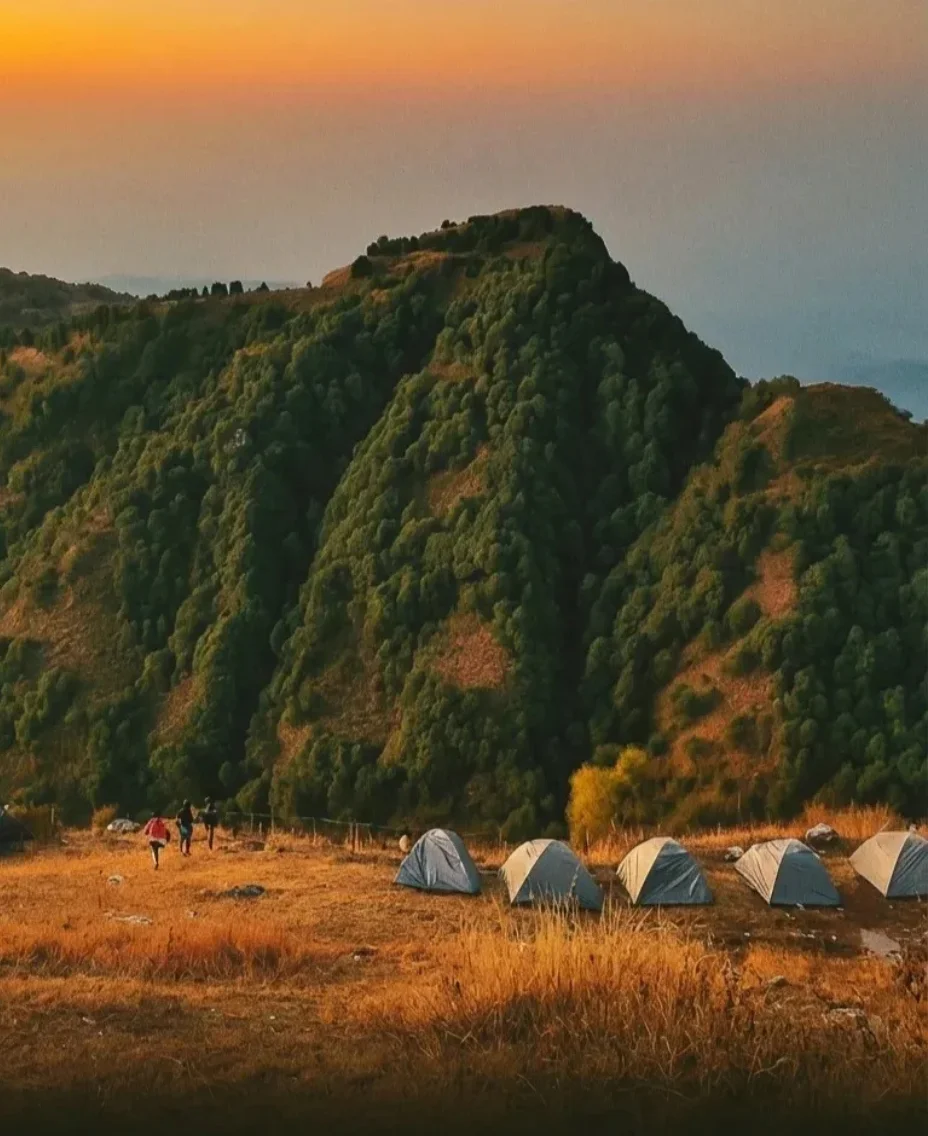
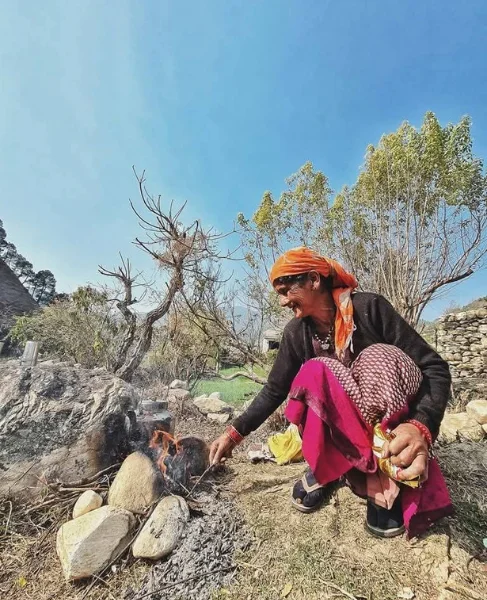
A resort makes you comfortable. An ecotourism experience makes you aware. We don’t have televisions in our rooms. Not because we’re being difficult, but because we want you to notice the things a screen would replace. The sound of oak leaves in wind. The exact shade of gold that the Doon Valley turns at sunset. The way a pahadi grandmother knots a traditional nath without looking at her hands.
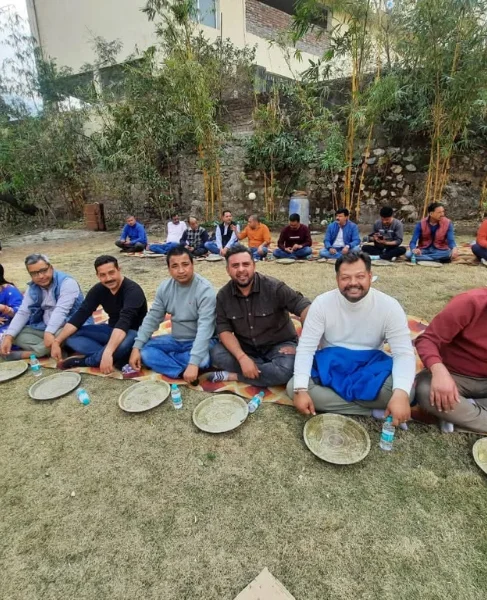
Our guests walk through terraced villages with local guides. They cook with our kitchen team, grinding spices on a stone sil-batta, rolling rotis over wood fire. They sit with families and hear stories about the mountains that no guidebook carries.
“The unadulterated pahadi culture served through mouth-watering food delicacies, local handcrafts, and handpicked adventure activities.”
Archana Singh, Travel See Write
4. The model should be replicable, not exclusive
The real test of a good ecotourism model isn’t how special your property is. It’s whether other people can copy it. Since we started, families across the Chamba belt have begun restoring their own ancestral homes and converting them into homestays. Properties like Garhwal House and Pahadi Homes have emerged, inspired by the same model.
We welcome this. We started the Pahadi Development Foundation specifically to help new homestay owners with marketing, training, and resources. The Tourism Minister and Chief Minister of Uttarakhand have both publicly praised the initiative.
“We are happy that many people have already started following our footprints. They have started working on their old ancestor homes and turning them into homestays.”
Abhay Sharma, Founder, Pahadi House
The uncomfortable truth
Real ecotourism isn’t glamorous. It doesn’t photograph as well as an infinity pool. It doesn’t come with Egyptian cotton sheets or a spa menu. But when you wake up in a 200-year-old stone house, with the Himalayas framed in a hand-carved wooden window, and a cup of chai made from milk that was fresh that morning, you’ll understand the difference. Some things can’t be manufactured. They can only be preserved.
Ecotourism in the Himalayas
 Mountain Stays